Friday, January 6, 2012

Serena Williams: A Match for Veganism?


Tennis pro, Serena was diagnosed with Sjogren’s syndrome this past summer, an autoimmune, inflammatory disorder that left her with unbearable joint pain. In the medical model, there is no cure for this immune system disabler. Her symptoms of fatigue, joint pain, dry mouth and eyes had preceded the diagnosis for years prior to the US Open.

Is her decision to give up meat and dairy products going to help her symptoms?

Dairy can be a very inflammatory and cross-reactive food. Meaning, it can act as an immune system machine gun, knocking out part of the immune system that is imperative for survival. Those with one autoimmune disease are known to have multiple autoimmunities. It is known that 82% of those with autoimmune thyroid have autoimmune gastroenteritis. It is best for those with impaired immune systems to avoid any immune stimulator like dairy.

Meat is essential for providing amino acids, or the building blocks of proteins to the body. Amino acids are precursors for many biomolecules such as those needed for DNA synthesis, hormone synthesis, and neurotransmitters to name a few. Vegan diets commonly don’t get enough of the amino acids lysine and methionine. According to Veganhealth.org, “It is very hard to design a vegan diet that meets lysine requirements for a person who does not exercise daily without including legumes, quinoa, or pistachios, without having too many calories. It is much easier to do for regular exercisers whose calorie requirements are higher - the low lysine foods will add up to provide enough. The reason why many raw foodists athletes appear to thrive on the diet while many non-athletes struggle with raw diets may be that the athletes are able to eat many more calories, thus meeting lysine needs with low lysine foods.”
Amino acids are needed for tissue repair, and with an autoimmune disease, tissue repair is essential.
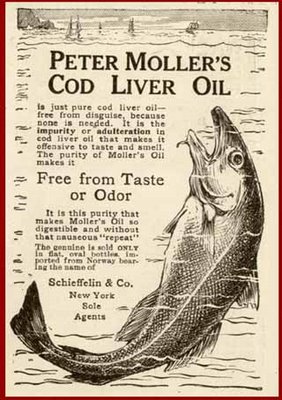
Vitamin D is an extremely important immune modulator. Vitamin D comes from two places: Our body produces it when exposed to sunlight, and from our diet. There are a few foods that naturally contain vitamin D: fatty fish (cod liver oil), and egg yolks. Most other exposure to this vitamin is fortified, or added to foods such as soymilk, juice, cereals, milk and margarine. Soymilk is fortified with D2, the vegan form of vitamin D which is derived from yeast.
So is Serena on the right track? Sort of. If she were a healthy individual, she would probably be able to maintain the essential fatty acids necessary through diet and lifestyle. However, she is not-- she needs extra support to heal her autoimmune condition and large doses will help the inflammatory immune response.
What would I do differently? I would recommend for her to add in lean meats. The benefits of lean meat outweigh the small amounts of omegas, essential fatty acids she is getting with her vegan diet. I would add large doses of Vitamin D, Omega-3’s, and glutathione. I would tell her to avoid gluten.
Autoimmune conditions are so common in society and supporting the immune system instead of relying on immunosuppressant’s are a key to living comfortably with an autoimmune disease.

Thursday, January 5, 2012

Barrier to the Rescue!


We all put up barriers, whether we know it or not. Many of them are mental and I realized that when reading Ina May Gaskin’s book, “Guide to Childbirth” in the chapter called, “Sphincter Law.” For example, when a woman relaxes her throat and mouth it directly links to relaxing the cervix to allow for further dilation. Try telling someone to defecate or urinate on the spot when someone is watching or listening in the stall next to you! When we feel as if our personal space is invaded, performance suffers, ask any doula out there that witnesses an interrupted hospital birth. Definition: Failure to progress. 


In my practice, I deal with physiological along with mental barriers that are extremely important to a pregnant woman and her growing baby. The five physiological barriers in the human body are:

Wikimedia.org
  • ·      Blood Brain Barrier
  • ·      Gut
  • ·      Skin
  • ·      Lung
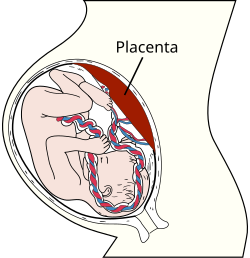
  • ·      Placenta


If any one of these barrier systems is compromised, foreign invaders pass through the glue holding the cells together into a battlefield of unsuspecting terrorists and launches an attack. In other words, things go where they don’t belong and bad things happen. Once one barrier has been broken, it is highly likely another barrier will be compromised. The glue that connects one cell to another is composed of our immune system, or immunoglobulins. Experts will tell you, you don’t want to mess with the immune system…keep yourself and those kiddos healthy!

One particular barrier of heightened interest to a pregnant woman is the placental barrier. This is the barrier women are concerned with when they are told not to eat Brie cheese, sushi or deli meat anymore.  Things can pass from mom to baby, but this is a two-way placental street.  Hormones and other cellular material can pass from baby to mom! For example, Mom has adrenal glands that produce the hormone called adrenaline which is the flight or fight hormone. When mom is totally stressed out and in later stages of pregnancy, adrenaline runs low and she can (unintentionally) steal her baby’s adrenaline in order to give her a quick fix. This can lead to compromised barriers in the baby/child which can develop into food and environmental allergies, eczema, asthma, and more in years to come.

If you already have food sensitivities, IBS, skin irritations such as eczema, brain fog, asthma, your barrier is breached. 

Maintaining healthy barrier systems are key to a healthy you, baby and family. I specialize in developing a customized plan of attack for those with compromised barriers by utilizing objective and subjective—thorough detailed assessments and supporting with natural nutritional compounds. It’s the perfect marriage of science, herbal medicine, and communication…explained in a way you understand.

Tuesday, January 3, 2012

Pretty in Pink: The Glamorous World of Arthritis.


62% of women are more sensitive to weather changes than men. For patients with Rheumatoid Arthritis (RA), Osteoarthritis (OA), and Fibromyalgia, weather changes result in INCREASED pain.  Changes in barometric pressure, temperature and rain affect inflamed joints. How can you tell if the barometric pressure is changing? Look at a flag! The stronger the wind, the closer the pressure gradient and the more likely you will feel that ache. Just ask the one in five (20%) adults in the United States who report having doctor-diagnosed arthritis.

There are two steps to change the course of arthritic symptoms:  1. Receive regular chiropractic care to restore joint mobility. 2. Find and treat the source of the inflammation or immune compromise.

Arthritis results from inflammation. Inflammation is a systemic entity and the main culprit can start with the integrity of the digestive tract. If the barrier systems in the body are compromised, it will lead to many other health-related diseases. In my practice, I use extensive testing to evaluate the specific type and source of inflammation. For example, I recently had a patient rejected from donating blood. She was told she needed to take iron, however, history and analysis of her labwork indicated iron would have made her inflammation and arthritis worse.

Inflammation has many potential subclinical causes: underlying infection, immune overload, toxins, food intolerances, genetic predispositions, chronic stress and hormonal imbalances.  Testing may include:

  • ·      Blood Nutrition Analysis
  • ·      Adrenal Saliva Index
  • ·      Diet/Nutrition Consultation
  • ·      Family History Review
  • ·      Assessment of Digestive Tract Integrity
  • ·      Antibody Testing


Here are six anti-inflammatory lifestyle and nutrition tips to start off your new year:
1. Swim. Your body is more buoyant in water. Warm water helps with pain and rigidity.
2. Take a fish oil higher in DHA than EPA.
3. Take 4,000-20,000IU of Vitamin D (consult your physician).
4. If you have insulin resistance or diabetic tendencies, never use flax seed/oil products.
5. Avoid supplements with Iron, an inflammatory metal.
6. Choose real sugar over aspartame, an artificial sweetener and neurotoxin.

Are you getting enough inflammatory support? Have you had testing that identifies the root cause of inflammatory cytokines? Is your arthritis an autoimmune disease? Call us to discuss testing and treatment options for arthritis symptoms.

Emily Hecker, DC, MBA, BS, CNC, is a board certified chiropractic physician, licensed nutritional consultant, ex-meteorologist & mommy. She practices at Wellness Alternatives (www.stlwa.com), specializing in gentle structural and cranial bodywork for kids and pregnant mothers and providing nutritional support for autoimmune and chronic health conditions. Dr. Emily blogs at www.broccolimama.blogspot.com, facilitates health seminars and is available for speaking engagements.